
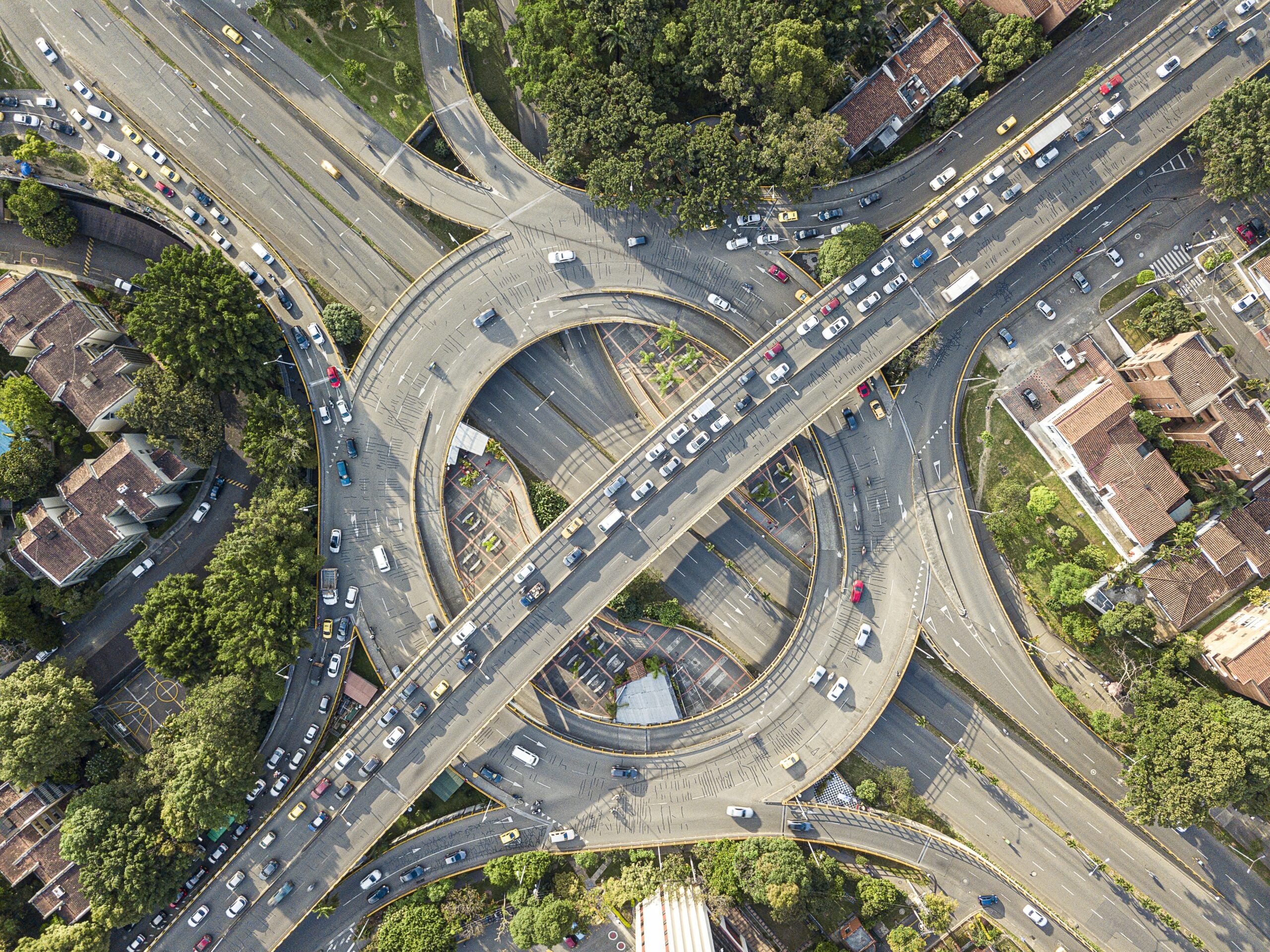
Every city has them. The intersection where you grip the wheel a little tighter, glance in every direction twice, and still feel like something could go wrong. Locals know these spots by name, and they swap stories about close calls there like war stories.
It’s tempting to blame the drivers. And sure, speeding, distraction, and impatience all play a part. But when the same corner sees crash after crash year after year, it’s only fair to ask whether the intersection itself is setting people up to fail.
Dig into Austin car accident statistics and a pattern starts to show up. Crashes don’t just scatter randomly across a city map. They cluster at particular places, where road design, heavy traffic, and ordinary human mistakes collide in ways that keep repeating themselves.
Why Intersections Create So Many Opportunities for Mistakes
An intersection is basically a place where everyone wants the same piece of pavement at once. Cars go straight, turn left, turn right, and stop, while pedestrians and cyclists try to cross. All of it has to happen in a pretty tight space.
Traffic engineers call the spots where paths cross conflict points. A standard four-way intersection has dozens of them, places where one vehicle’s path overlaps another’s. Every single conflict point is a chance for a misjudged gap, a missed signal, or a late brake.
Signals help, but they create their own pressure. A yellow light forces a split-second decision to stop or go. Left-turning drivers must judge oncoming speed while watching for walkers. Stack enough of those decisions together, and even careful drivers will occasionally get one wrong.
The Hidden Design Problems That Can Increase Crash Risk
Visibility is a big one. Overgrown trees, parked cars, utility boxes, buildings close to the curb, or a hill just before the intersection can all block the view. If drivers can’t see a hazard in time, good intentions don’t help very much.
Confusing lane markings cause trouble too. Faded paint, lanes that suddenly turn into turn-only lanes, or signs that appear too late can send drivers swerving at the last moment. Unfamiliar visitors are especially likely to get caught off guard by these surprises.
Odd layouts make everything harder. Intersections with five or six approaches, sharp angles, short turn lanes, or frontage roads feeding in from the side ask drivers to process a lot of information quickly. The more complicated the layout, the more room there is for honest mistakes.
Why Traffic Volume Doesn’t Tell the Whole Story
The busiest intersections naturally see lots of crashes, simply because so many cars pass through. But raw crash totals can be misleading on their own. A quieter intersection with fewer crashes might actually be far more dangerous for each car that uses it.
That’s why engineers often look at crash rates, meaning crashes compared to the number of vehicles passing through. A spot with modest traffic but frequent wrecks can signal a real design problem that deserves attention, even if it never makes the evening news.
Speed and geometry matter too. Wide roads that encourage fast driving, curves leading into intersections, and lots of left turns across traffic can make crashes more severe. A fender bender at fifteen miles per hour is very different from a broadside collision at forty-five.
How Engineers Use Crash Data to Make Roads Safer
Crash data acts like a map of where the road is failing people. Engineers comb through it looking for patterns, such as repeated left-turn collisions, rear-end crashes at a certain signal, or pedestrian strikes at a particular crosswalk during busy evening hours.
Those patterns point toward fixes. A protected left-turn arrow can eliminate one of the most dangerous moves at a busy intersection. Adjusting signal timing, adding a leading pedestrian interval, or extending a yellow light by a second can also make a meaningful difference.
Sometimes the answer is a bigger redesign. Roundabouts, for example, slow traffic and remove the high-speed, right-angle crashes that cause so many serious injuries. Better lighting, clearer signs, fresh lane markings, and trimmed sightlines can also help drivers make smarter decisions at the right time.
Conclusion
Some intersections really do seem built for trouble. When crashes pile up at the same spot year after year, the problem usually goes beyond a handful of careless or distracted drivers and points toward how the road itself is designed and operated.
Conflict points, poor visibility, confusing markings, high speeds, and overly complicated layouts all raise the odds of honest mistakes. Traffic volume certainly plays a part, but crash rates and patterns often reveal far more about what’s really going wrong at a particular location.
Safer intersections come from blending smart engineering with an honest look at human behavior. Drivers still need to pay attention and slow down. But good design can make the safe choice the easy choice, and that’s how cities can turn notorious corners into ordinary ones.