
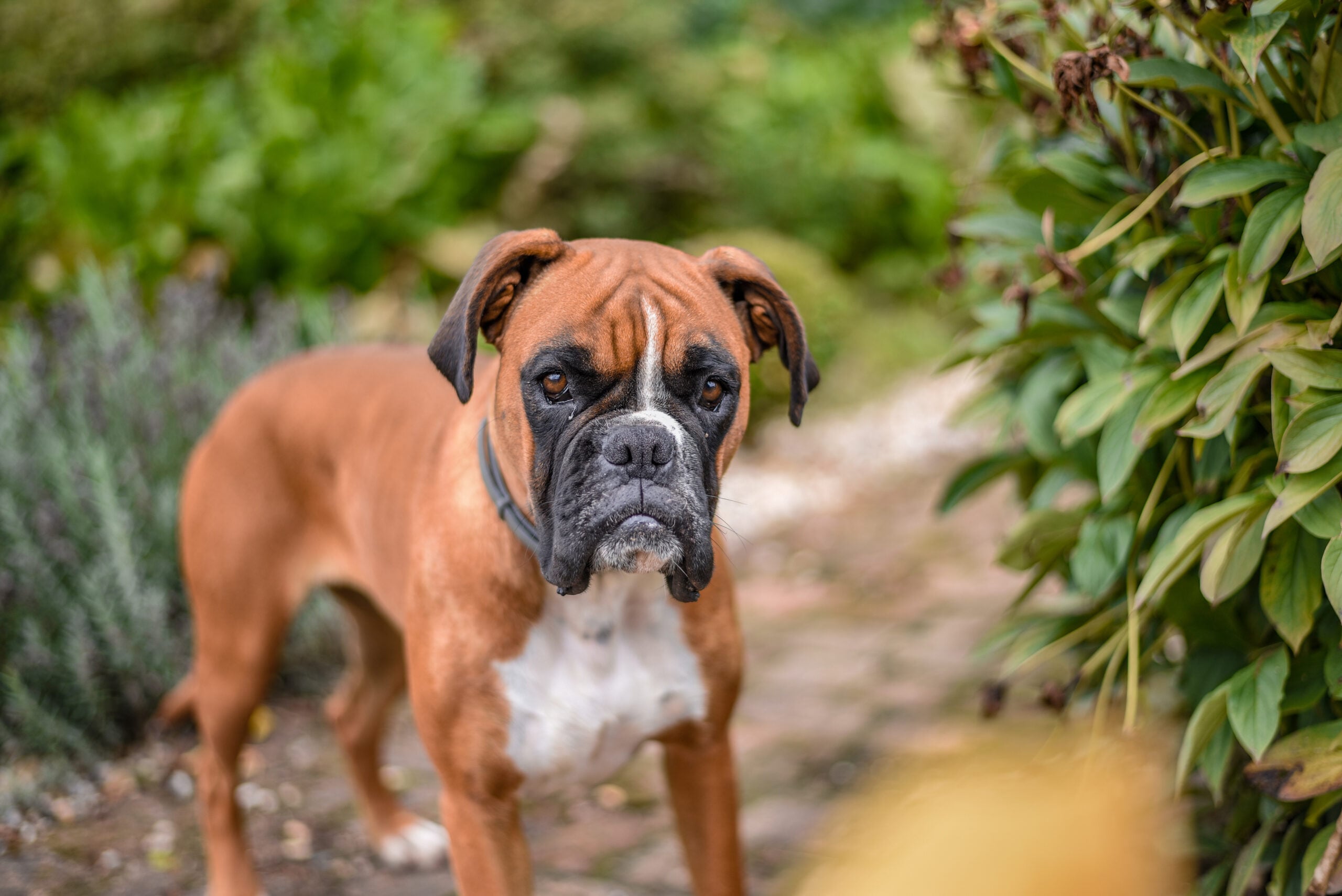
In the vast world of dogs, few are more interesting than the boxer. These dogs are about what you expect based on the name, although they’re not exactly the Rocky Balboa of dogs. Still, they have a loud bark, loyalty that’s tough to beat, and the ability to become one of the most well-trained dogs you’ve ever had.
While this may be the case, there’s a lot to learn before you adopt a boxer. Moreover, it helps to understand what the adoption process looks like. The good news? We have your back in this comprehensive guide.
Boxer Breed Characteristics
Boxers are unique dogs with unique personalities and traits. Understanding how they behave, how large they are, and what they need for care is important. To help you break all this down, we bring you through common boxer breed characteristics below.
Physical Characteristics
When it comes to physical traits of boxers, you’ll find that their size varies based on the gender of the dog. They range from 55 to 71 pounds, and males tend to weigh 5-10 pounds more than female boxers. For height, boxers are around 21 to 25 inches at the shoulder, and males are larger than females.
When it comes to their coats, boxers have short, straight coats. These coats tend to be a mix of brown, fawn, and white. They may also be brindled. Typically, they have a muscular build, a flat face with rolls, and floppy ears.
Temperament
When it comes to the temperament of boxers, you’ll find that it varies based on the dog. That said, there are some common traits that many boxers have, like a fierce sense of loyalty once they bond with their human companions. Boxers are also trainable, strong-willed, and intelligent companions.
While boxers are great dogs with loving personalities, socialization at a young age is key. It helps them get along with strangers and other animals you have in your home.
Care Needs
Boxers are high-energy dogs; we want to get that out of the way first. For this reason, you should expect to get them at least 60 to 90 minutes of daily exercise. We also recommend feeding them a premium diet that’s made for medium-sized dogs; this should contain lots of protein and carbohydrates to fuel their active lifestyles.
When it comes to grooming, their care needs are mild. You don’t need to have them professionally groomed often, although you should brush them to bond with them. Also, be careful with their hind legs later in life and bring them to the veterinarian each year.
What the Boxer Adoption Process Looks Like
It helps to know what the boxer adoption process looks like before you welcome one into your home. Plus, adoption isn’t guaranteed like purchasing a dog from a breeder, so it helps to be prepared for any questions they may have about your situation.
First and foremost, you’ll need to find a boxer to adopt. Make sure you check shelters, animal rescues, and even animal foster programs. If you need help finding one, Dog Academy’s boxer adoption search can help you find boxers to adopt in your area.
Once you find a boxer to adopt, spend some time with them and get to know them. Also, bring ID with you, prepare to be interviewed, and it helps to bring everyone with you who will live with the dog.
Then, it’s a matter of filling out the necessary forms, paying the adoption fee, and passing the home visit. Reference checks are also necessary for some organizations, and you may need to provide contact details for any veterinarians you’ve worked with.
Start the Boxer Adoption Process Today
Adopting a boxer is a long process, and it’s important to get it right the first time. Since it’s not guaranteed like the puppy purchasing process, it helps to have all of your information ready, a proper home, and any documentation you may need. What’s more, the hardest part is often finding a boxer to adopt, but the good news is that Dog Academy can always help.
Once you find a boxer to adopt, prepare yourself for their active lifestyle, food needs, and personality. And because every boxer is unique, make sure you spend some time with them to determine if they’re a good fit before you bring one home.