
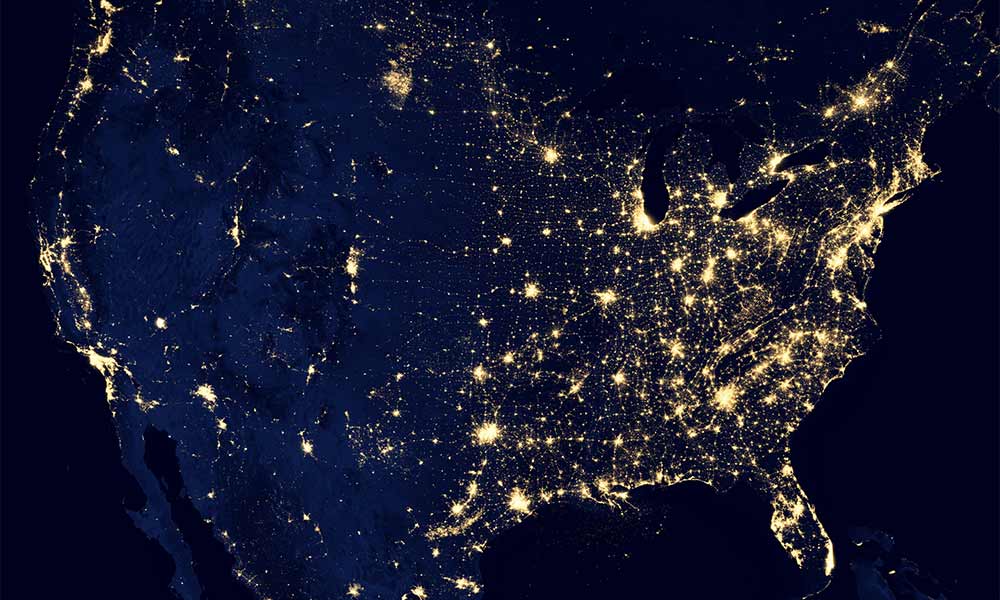
What do we mean, now, when we speak of “the world”? The provocative epigraph that launches Harél’s poem—a serious romp through millennia—makes us wonder. Virtual realms and AI’s instantaneous answers may transfix us, but poetry still dares us to think for ourselves.—Jody Bolz, Poetry Editor
IN ITS IMAGE
The world went inside the internet and became the world.
—Sean Singer
The world went inside the woods and became a hunter,
a gatherer. It stepped inside huts. Pressed into darkness.
Bore worlds in its image it would never understand.
One crossed a desert. Another the wide ocean. It named
new worlds after old ones, perhaps longing for home.
The world raided villages, burned them, and kept marching.
The world went into hiding and hid in plain sight.
It yearned across the centuries. It fashioned our age.
The world is a prayer on the fin of a honeyfish.
A hijacked Wikipedia page. A real piece of work.
Some days the world feels like an overnight sensation:
a star amid stars. Billions of followers. Other days
it’s nostalgic—a reflection of itself—like those mirror
lakes it made back when it made things just because.
Jared Harél’s most recent poetry collection, Let Our Bodies Change the Subject (University of Nebraska Press, 2023), won the Prairie Schooner Raz/Shumaker Book Prize and was a finalist for the National Jewish Book Award and the Paterson Poetry Prize.
Moment Magazine participates in the Amazon Associates program and earns money from qualifying purchases.