
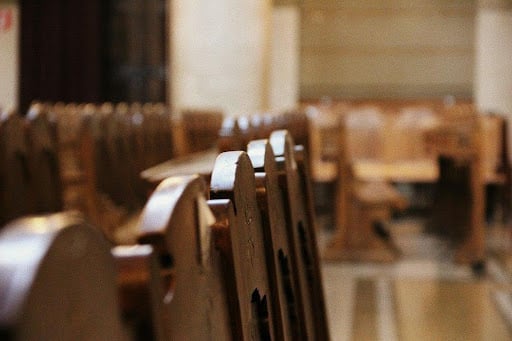
The rabbi says “please rise,” and the whole room stands. Almost the whole room. In the back row, a woman grips the pew in front of her and decides whether her lower back can take another 10 minutes. Her husband stays seated and looks at the floor.
Scenes like this play out in every movement, every week. For readers in North Jersey, Dr. Richard Kang’s practice at CORE Medical & Wellness is one place to get long-running back or joint pain examined. This piece looks at what tradition says about sitting, how congregations can adapt and when pain needs more than a cushion.
Why Does a Jewish Service Ask So Much of the Body?
Jewish prayer is physical. We stand, bow, rise on our toes and turn toward the door. The central prayer is named for a posture.
Amidah literally means “standing”, and observant Jews recite it 3 times a day. Custom asks worshippers to keep their feet together and to bow at set points. For a healthy 30 year old, that is easy. For someone with sciatica or a worn knee, it can be the hardest part of the day.
The holidays stretch that further. A Yom Kippur service can run from morning until dark, often while fasting. Many congregations stand for the open ark, for Kaddish and for parts of the Torah service. A morning of rising and sitting adds up for anyone with a sore back, hip or knee.
Rabbis in Moment’s Ask the Rabbis feature find deep meaning in these prayers. That meaning is exactly why people in pain keep coming, and why the room should make space for them.
What Does Tradition Say About Praying Seated?
Jewish law has long made room for the body. The classic codes allow a person who is ill, or who cannot stand, to say the Amidah seated. The intention of the heart matters more than the posture of the legs.
Customs and rulings vary between movements and communities. If you are unsure what applies to you, ask your rabbi. Most will tell you the same thing in plain words: protect your health and pray as you are able.
There is also a social side. Many people stay standing out of embarrassment, not conviction. A clear word from the bimah can lift that weight for the whole room.
How Can a Congregation Make Room for Pain?
Small changes help more people than most boards expect. Here are 6 that cost little:
- Change the call: say “please rise if you are able” instead of “please rise.”
- Add chairs with arms: they are far easier to stand up from than a low pew.
- Reserve aisle seats: keep some near the front so people do not walk the length of the room.
- Offer cushions and back supports: keep a basket by the door.
- Plan seated breaks: schedule a few moments to sit during long holiday services.
- Mind the kiddush: put chairs out, so the social hour is not another hour of standing.
Disability Belongs, formerly RespectAbility, recommends that first change in its guide to inclusive Jewish holidays. It notes that some congregants cannot stand because of disability, fatigue or pain.
Building design matters too. Many congregants now worship in buildings planned for their great-grandparents, a problem Moment explored in remaking the modern-day synagogue. A renovation is a chance to fix steep steps and fixed pews.
What Can You Do Before the Next Long Service?
A little planning makes a long day easier. Try these steps before the next holiday:
- Sit near an aisle so you can stand, stretch or step out quietly.
- Wear supportive shoes rather than the dressy pair.
- Bring a small cushion or lumbar roll.
- Tell the gabbai or an usher ahead of time if you need a particular seat.
- Ask your doctor in advance about pain medicine on a fast day.
When Does Pain Need a Medical Look?
A stiff back after a long Yom Kippur is common. That stiffness usually lifts within a day or so. Some signs suggest something more is going on:
- An ache still there 6 weeks after the holidays.
- Pain, numbness or tingling that runs down a leg.
- Sleep broken by back or hip pain.
- Weakness in a leg, or trouble with balance.
Call 911 for sudden loss of bladder or bowel control, or after a bad fall on the synagogue steps.
For North Jersey readers, that check can happen close to home. Bergen County has some of the region’s largest Jewish communities, in towns such as Teaneck, Englewood and Fair Lawn. CORE Medical & Wellness has offices in Lyndhurst and Closter, among others. His profile lists board certification in both anesthesiology and pain medicine, plus a pain fellowship at NewYork-Presbyterian and Columbia. It lists chronic neck and back pain, sciatica and knee and hip osteoarthritis among the conditions he treats.
Treat these lines as a prompt for a conversation with a physician. Only an exam can show what is behind the ache.
A Seat at the Service
No one should have to choose between their back and their community. Ask for the chair, take the aisle seat and get a lasting ache examined. The prayer will be there whether you stand or sit.
FAQ
Is It Permitted to Say the Amidah Sitting Down?
Jewish tradition allows a person who is ill or unable to stand to pray seated. Rulings vary between communities and movements. Ask your rabbi how this applies to you.
How Can I Ask My Synagogue for a Different Seat?
Speak with the rabbi, the gabbai or the office before the service. Most congregations are glad to help. Asking early gives them time to set up a chair.
Should I Fast On Yom Kippur if I Take Pain Medicine?
Talk to both your doctor and your rabbi before the fast. Jewish law puts health first. Your doctor can advise on timing and safety.
Why Does My Back Hurt More After a Long Service?
Long stretches of standing, sitting on hard pews and repeated rising all load the lower back. Fasting and dehydration can add to the stiffness. If it lingers for weeks, book an appointment.