
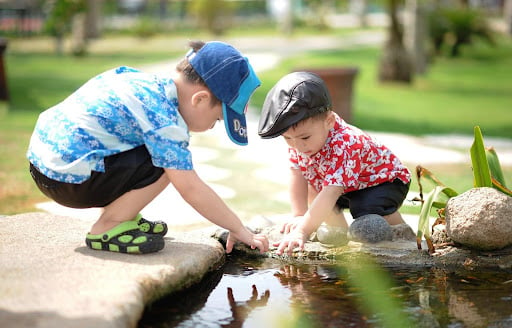
In an era where screens dominate much of daily life, outdoor play has become more important than ever for children’s healthy development. While technology offers convenience and entertainment, research consistently shows that time spent outside plays a crucial role in physical health, cognitive growth, and emotional well-being.
Parents today face a unique challenge: balancing the benefits of digital tools with the undeniable advantages of outdoor activity. Understanding why outdoor play matters—and how it shapes a child’s future—can help families make more informed decisions about daily routines.
The Science Behind Outdoor Play
Numerous studies highlight the positive effects of outdoor activity on children. According to the World Health Organization, children aged 5–17 should engage in at least 60 minutes of moderate to vigorous physical activity daily. Outdoor environments naturally encourage this movement, whether through running, climbing, or playing games.
Exposure to natural light is also critical. Sunlight helps regulate circadian rhythms, improving sleep quality. It also supports vitamin D production, which is essential for bone development and immune function.
Additionally, research from universities in Europe and North America suggests that children who spend more time outdoors tend to have better attention spans and lower levels of stress. Nature has a calming effect, helping to reduce symptoms associated with anxiety and hyperactivity.
Boosting Cognitive and Creative Skills
Outdoor play is not just about physical health—it also enhances brain development. Unstructured environments encourage children to think creatively, solve problems, and adapt to new situations.
For example, a simple activity like building a fort or navigating a playground requires planning, decision-making, and cooperation. These experiences develop executive functions, which are essential for academic success and everyday life.
Interestingly, just as adults seek engaging and stimulating environments—whether through travel, hobbies, or even interactive entertainment platforms that might include a casino experience—children benefit from dynamic surroundings that challenge their thinking and keep them mentally active.
Social Development and Communication
Playing outside often involves interaction with other children, which is vital for developing social skills. Through group play, children learn how to share, negotiate, resolve conflicts, and work as a team.
Unlike structured classroom settings, outdoor play provides a more relaxed environment where children can express themselves freely. This helps build confidence and emotional intelligence.
Studies have shown that children who engage in regular social play are more likely to develop strong communication skills and form meaningful relationships later in life.
Reducing Screen Dependency
One of the biggest concerns for modern parents is excessive screen time. The average child today spends several hours a day on digital devices, which can impact sleep, posture, and mental health.
Outdoor play serves as a natural counterbalance. When children are engaged in physical activities, they are less likely to rely on screens for entertainment. Over time, this helps establish a healthier relationship with technology.
Creating routines that prioritize outdoor time—such as family walks, weekend trips, or after-school play—can significantly reduce screen dependency without the need for strict restrictions.
Emotional Well-Being and Resilience
Nature has a unique ability to support emotional health. Being outdoors allows children to release energy, process emotions, and experience a sense of freedom.
Activities like climbing trees or exploring new environments also help build resilience. Children learn to assess risks, overcome challenges, and develop confidence in their abilities.
Psychologists emphasize that these experiences are crucial for building self-esteem. When children achieve small victories—like mastering a new skill or overcoming a fear—they develop a stronger sense of self-worth.
Practical Ways to Encourage Outdoor Play
For many families, busy schedules can make it difficult to prioritize outdoor time. However, even small changes can make a big difference:
- Encourage walking or cycling instead of driving when possible
- Plan regular outdoor activities as a family
- Create a safe play space at home or in the neighborhood
- Limit screen time gradually rather than abruptly
It’s also important to follow the child’s interests. Some children enjoy sports, while others prefer exploring nature or engaging in imaginative play. The key is to make outdoor time enjoyable, not a chore.
The Long-Term Impact
The benefits of outdoor play extend far beyond childhood. Adults who were active and engaged with nature as children are more likely to maintain healthy lifestyles, manage stress effectively, and stay physically active.
Moreover, early exposure to nature can foster a sense of environmental responsibility. Children who appreciate the outdoors are more likely to care about sustainability and conservation in the future.
Conclusion
Outdoor play is not a luxury—it is a necessity for healthy child development. In a world increasingly shaped by technology, it provides balance, supporting physical health, cognitive growth, and emotional resilience.
Parents don’t need to eliminate digital tools, but they do need to ensure that outdoor experiences remain a regular part of their child’s life. By doing so, they help create a strong foundation for well-being, creativity, and lifelong success.
Ultimately, the simplest activities—running in a park, playing with friends, or exploring nature—can have the most profound impact on a child’s development.