
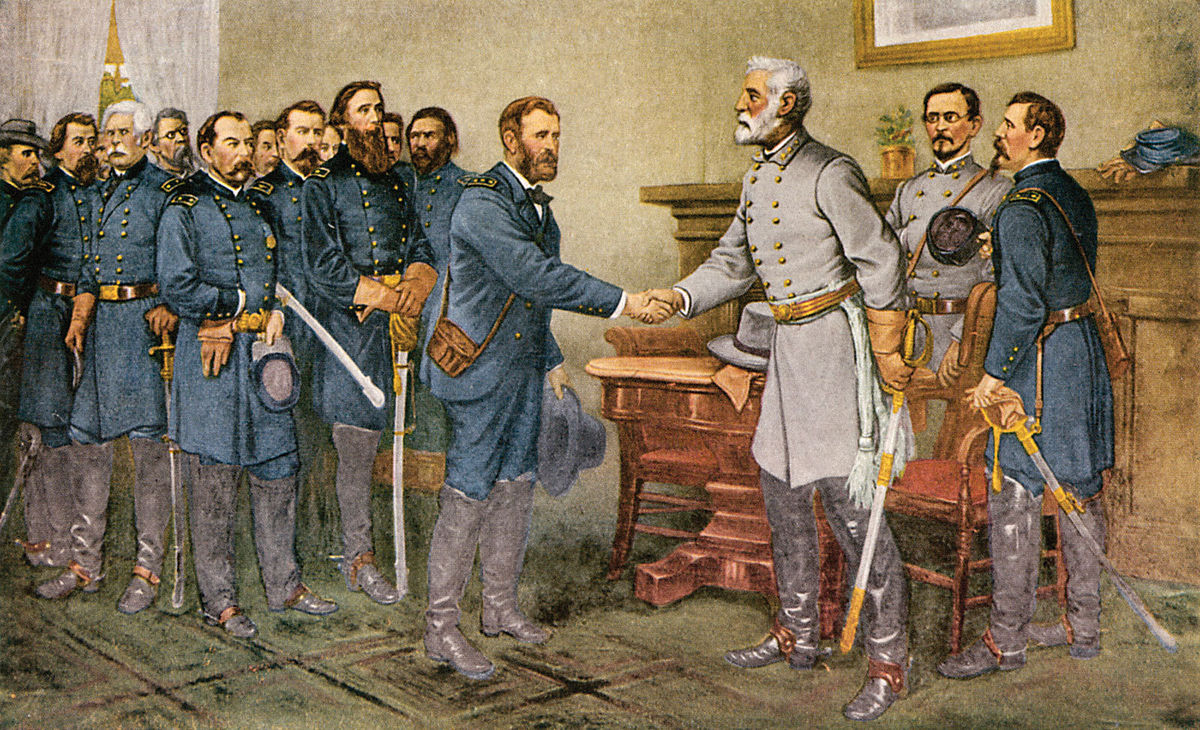
Confronting Passover, 1865

By 1865, it seemed self-evident that American emancipation resonated with biblical emancipation in powerful ways. But it had not always been so: This new resonance of meaning captured the hearts of American Jews only during the vicissitudes of the Civil War. Before the Civil War, most American Jews did not oppose slavery. There were exceptions, but most Jews voted Democrat, and Democrats were tolerant of slavery. The anti-slavery parties were tarred with nativism, which was distasteful and threatening to a Jewish community composed largely of immigrants and first-generation Americans. And many, including such luminaries as the Reform rabbi Isaac Mayer Wise and the Orthodox rabbi Morris Raphall, considered acceptance of American slavery consonant with the Bible, which documents slavery and sets parameters for its practice within the Israelite community.
Opinion | Inside the Republican Jewish Coalition

The 2018 midterm elections will test a still-fragile accord with Trump.
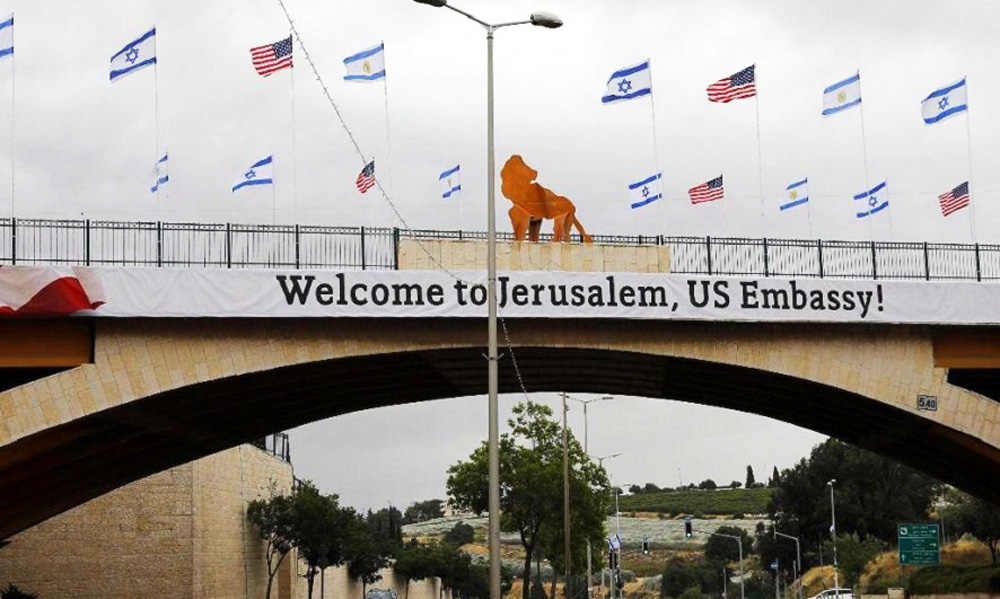
Opinion | American Jews Just Don’t Get It

Reactions to the embassy move to Jerusalem show how little they understand Israelis.
What Israeli School Children Learn About American Jewish Life

The year 2017 was another rocky one in the relationship between Israel and many American Jews, punctuated by conflict over matters once considered common ground. Some controversies—including a backlash over comments about American Jews’ military service by Israeli deputy foreign minister Tzipi Hotovely—suggest a level of misunderstanding that could end up harming both sides.
Jewish population's up. Quick, hit the panic button….

Ok, time to get your assimilation anxieties sorted out. The numbers of Jews and kinda-sorta Jews and non-Jews married to Jews or who are children...